
Relationship Processes Explained: 7 Ways They May Improve Communication, Trust and Personal Growth
Explore Personal Development Programs designed to support financial freedom, healthier relationships, stronger success habits, greater confidence, leadership development, and personal growth.
Discover Kevin Trudeau’s four core Processes and learn how each program focuses on a different area of transformation, helping participants create positive change in their personal and professional lives.
Relationships influence nearly every area of life.
The quality of our relationships can affect communication, confidence, emotional wellbeing, leadership, decision-making, business success, family life, and overall happiness. Yet many people find themselves repeating the same relationship challenges despite their best efforts to create healthier and more fulfilling connections.
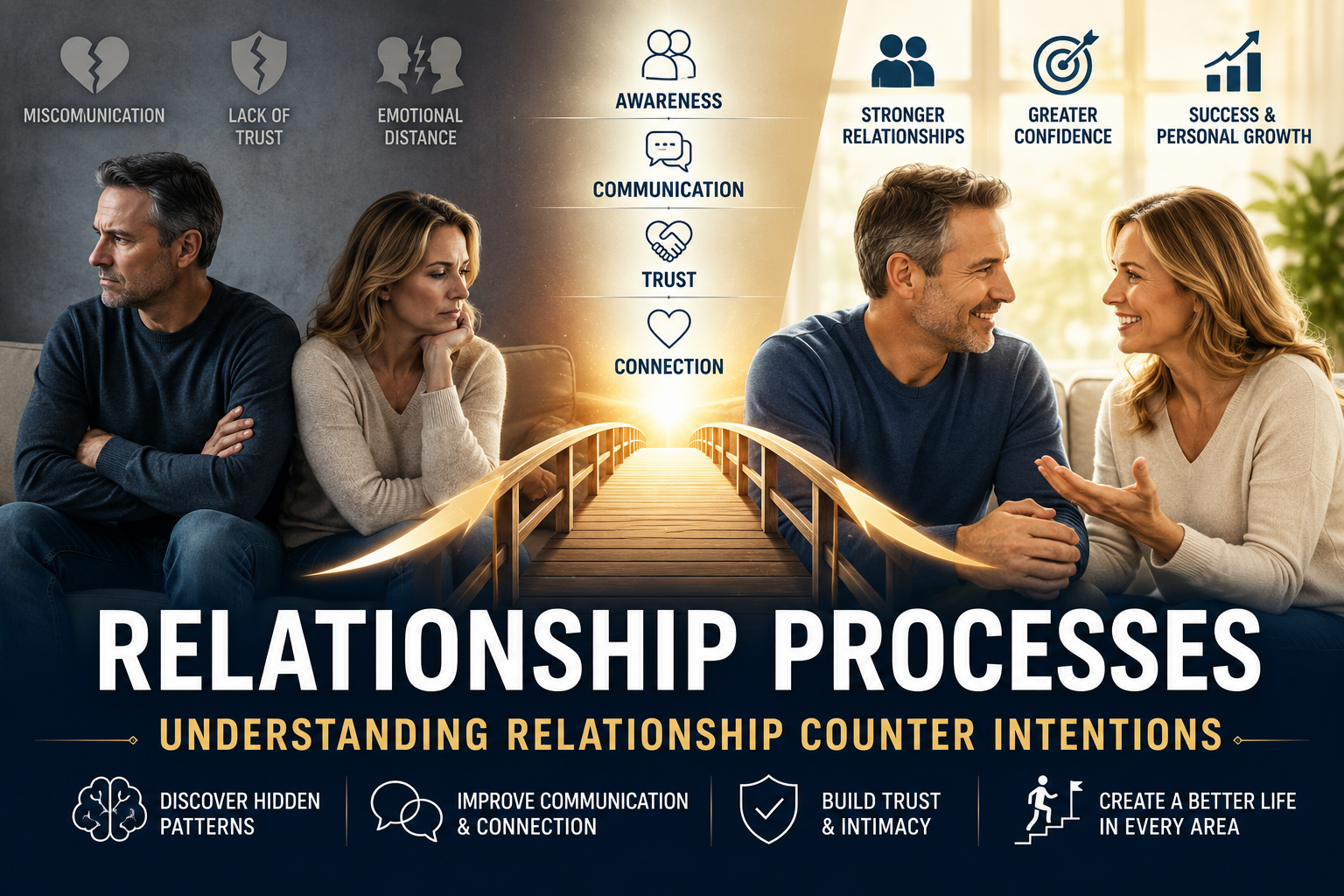
According to Kevin Trudeau, one reason for this may be the presence of Relationship Counter Intentions. These are subconscious patterns that may influence how people communicate, trust, connect, and interact with others.
The Relationship Processes are designed to help participants identify and address Relationship Counter Intentions while developing stronger communication, deeper emotional connection, healthier relationship patterns, and greater self-awareness.
While many people initially explore the Relationship Processes to improve romantic relationships, participants often discover that relationship patterns can influence many other areas of life, including confidence, leadership, business relationships, teamwork, family dynamics, and personal growth.
In this guide, we’ll explore how the Relationship Processes work, what Relationship Counter Intentions are, and why many people consider relationship development to be one of the most important aspects of personal growth.
Table of Contents
Discover Which Hidden Pattern May Be Affecting You Most
Money and relationships can both be influenced by hidden emotional patterns.
Get the free KevGuru self-assessment and discover whether money counter intentions, relationship counter intentions, failure habits, or dormant positive qualities may be affecting your next level of growth.
What Are Relationship Processes?
The Relationship Processes are personal development programs created by Kevin Trudeau that focus on helping participants identify and address Relationship Counter Intentions that may influence trust, communication, intimacy, emotional connection, and relationship satisfaction.
Many people assume relationship challenges are caused solely by external circumstances or other people. However, according to Kevin Trudeau, subconscious relationship patterns may play a significant role in how individuals experience relationships throughout their lives.
These patterns can influence how people communicate, respond to conflict, build trust, express emotions, handle rejection, and form connections with others. Because these patterns often operate beneath conscious awareness, many individuals may not fully understand why similar relationship situations continue to repeat.
The Relationship Processes are designed to help participants become more aware of these patterns while developing healthier approaches to communication, connection, and personal relationships.
Unlike traditional relationship advice that focuses primarily on communication techniques or relationship strategies, the Relationship Processes focus on the underlying patterns that may influence relationship outcomes.
Participants often explore the Relationship Processes with goals such as improving communication, strengthening trust, developing healthier relationship habits, increasing self-awareness, and creating more fulfilling personal and professional relationships.
While the primary focus is relationships, many participants report that improvements in relationship awareness can positively influence confidence, leadership, teamwork, emotional resilience, and overall personal growth.
Understanding Relationship Counter Intentions
One of the core concepts behind the Relationship Processes is the idea of Relationship Counter Intentions.
A Relationship Counter Intention is a subconscious pattern that may work against a person’s conscious desire for healthy, fulfilling, and successful relationships.
For example, someone may consciously want a loving relationship while simultaneously carrying subconscious fears of rejection, abandonment, vulnerability, criticism, or loss. These competing patterns can sometimes influence behaviours, reactions, expectations, and relationship decisions in ways that create frustration or confusion.
Relationship Counter Intentions are not always obvious. They may develop gradually through life experiences, family dynamics, past relationships, social conditioning, personal beliefs, or emotional experiences that shape how a person views themselves and others.
According to Kevin Trudeau, individuals often focus on changing external circumstances while remaining unaware of the internal patterns that may be influencing relationship outcomes. The Relationship Processes are designed to help bring greater awareness to these patterns so participants can better understand how they may affect communication, trust, intimacy, connection, and relationship satisfaction.
As awareness increases, many participants begin recognising recurring patterns that may have influenced multiple relationships throughout their lives. This awareness often becomes the first step toward creating healthier and more effective relationship experiences.
“Many people work hard to improve communication, trust and emotional connection, yet still feel like something unseen is getting in the way. Sometimes the biggest obstacles aren’t the conversations we have—they’re the subconscious patterns we don’t realise we’re repeating.”
Kevin Trudeau’s Teaching Tweet
Why Relationship Patterns Often Repeat
Many people experience similar relationship challenges throughout different stages of life without fully understanding why those patterns continue to appear.
The circumstances may change, the people involved may be different, and the details of each situation may vary, yet the underlying challenges often feel surprisingly familiar. Recurring communication problems, trust issues, emotional distance, conflict, fear of rejection, or difficulties maintaining healthy boundaries can sometimes appear across multiple relationships.
One reason for this may be that relationship patterns are often driven by subconscious beliefs, expectations, and behaviours rather than external circumstances alone.
For example, someone who fears rejection may unintentionally avoid vulnerability. Someone who struggles with trust may become overly protective of their emotions. Others may find themselves repeatedly seeking approval, avoiding conflict, or attracting relationships that reinforce familiar emotional experiences.
These patterns are not necessarily intentional. In many cases, they develop gradually through life experiences, family influences, social conditioning, past relationships, and personal beliefs about connection, trust, and self-worth.
The Relationship Processes are designed to help participants become more aware of these recurring patterns. As awareness increases, individuals often begin recognising connections between past experiences and current relationship dynamics.
By understanding how these patterns may influence communication, expectations, emotional responses, and decision-making, participants can begin developing healthier relationship habits that support stronger trust, deeper connection, and greater relationship satisfaction.
Rather than focusing solely on changing other people or external circumstances, the Relationship Processes encourage participants to explore the patterns that may be influencing their own relationship experiences and personal growth.
How Relationship Processes May Influence Confidence and Self-Worth
Many people think of confidence and relationships as two separate topics. However, the way individuals view themselves often influences the way they communicate, connect, and interact with others.
Confidence can affect everything from communication style and emotional expression to leadership ability, decision-making, personal boundaries, and relationship satisfaction. When confidence is strong, individuals are often more comfortable expressing their needs, communicating openly, handling conflict constructively, and building meaningful connections.
On the other hand, low confidence or negative self-perceptions may sometimes contribute to relationship challenges. Fear of rejection, fear of criticism, difficulty setting boundaries, people-pleasing behaviours, and a reluctance to express emotions can all influence relationship outcomes.
The Relationship Processes encourage participants to examine the relationship patterns that may influence confidence and self-worth. By developing greater awareness of these patterns, individuals may gain valuable insights into how their beliefs, expectations, and behaviours affect both relationships and personal growth.
Many participants report that improvements in communication, self-awareness, and relationship understanding often extend beyond relationships themselves. Increased confidence can positively influence leadership, teamwork, career development, social interactions, and overall personal effectiveness.
For this reason, many people view the Relationship Processes as more than a relationship-focused program. They often see them as a valuable personal development experience that may support growth across multiple areas of life.
Participants often explore the Relationship Processes for a variety of reasons.
Potential areas of focus may include:
• Improving communication skills
• Strengthening trust and emotional connection
• Developing healthier relationship patterns
• Increasing self-awareness
• Building confidence in personal and professional relationships
• Improving conflict resolution skills
• Strengthening emotional resilience
• Supporting personal growth and relationship satisfaction
Individual experiences will vary, and outcomes depend on many factors including personal commitment, application, and individual circumstances.
Can Relationship Processes Influence Success and Achievement?
When people think about success, they often focus on skills, knowledge, education, or financial resources. While these factors are important, relationships also play a significant role in personal and professional achievement.
Every area of life involves relationships. Business partnerships, professional networks, family relationships, friendships, teamwork, leadership, customer interactions, and communication all depend on the ability to build trust, connect with others, and maintain healthy relationships.
Strong communication skills and positive relationship habits can often create opportunities that would not otherwise exist. People are more likely to work with, support, recommend, and collaborate with individuals they trust and respect.
The Relationship Processes encourage participants to explore the patterns that may influence communication, trust, emotional intelligence, and interpersonal effectiveness. As individuals become more aware of these patterns, they often gain insights that may improve both personal and professional interactions.
Many participants discover that relationship development is not limited to romantic relationships. The ability to communicate effectively, build rapport, resolve conflict, establish trust, and maintain healthy boundaries can influence leadership ability, career progression, business growth, networking opportunities, and overall life satisfaction.
For this reason, some individuals view relationship development as one of the most important components of long-term success. The quality of our relationships often influences the quality of our opportunities, experiences, and results throughout life.
Relationship Processes and Personal Growth
Personal growth often begins with self-awareness.
Many people spend years trying to improve external circumstances without fully understanding the internal patterns that influence their thoughts, behaviours, decisions, and relationships. The Relationship Processes are designed to help participants explore these patterns while developing greater awareness of how they may influence everyday life.
As awareness increases, individuals often gain a better understanding of their communication style, emotional responses, expectations, relationship habits, and personal beliefs. This understanding can create opportunities for meaningful growth and positive change.
Relationship development and personal growth are closely connected. Improving communication, strengthening trust, developing healthier boundaries, and building stronger emotional connections often requires individuals to examine their own habits, beliefs, and behaviours.
For many participants, the Relationship Processes become a journey of self-discovery as much as relationship improvement. The lessons learned through relationships frequently extend into other areas of life, including confidence, leadership, productivity, emotional resilience, teamwork, and personal effectiveness.
This is one reason why the Relationship Processes continue to attract individuals who are interested in both relationship improvement and long-term personal development. Many participants view stronger relationships as a natural result of increased self-awareness, personal responsibility, and continuous growth.
Common Relationship Counter Intentions
While every person’s experience is unique, many relationship challenges often share similar underlying patterns.
According to the Relationship Processes framework, Relationship Counter Intentions may operate beneath conscious awareness and influence communication, trust, emotional connection, expectations, and relationship satisfaction.
Some commonly discussed Relationship Counter Intentions include:
Fear of Rejection
Many people desire close and meaningful relationships while simultaneously fearing rejection, criticism, or disapproval. This fear can sometimes influence communication, vulnerability, and emotional openness.
Fear of Abandonment
Past experiences may contribute to concerns about being left, ignored, or emotionally disconnected. These fears can sometimes influence trust, attachment styles, and relationship behaviours.
Fear of Intimacy
While individuals may consciously desire deeper connection, subconscious concerns about vulnerability, emotional exposure, or loss of independence can sometimes create resistance to intimacy.
Need for Approval
Some people develop patterns of seeking validation, acceptance, or approval from others. Over time, this can influence decision-making, personal boundaries, confidence, and relationship satisfaction.
Need for Control
A desire to avoid uncertainty or emotional discomfort may sometimes create controlling behaviours that affect trust, communication, and relationship dynamics.
Lack of Trust
Trust is one of the foundations of healthy relationships. When trust has been damaged by past experiences or limiting beliefs, it may influence future relationships in ways that are not always immediately obvious.
The Relationship Processes are designed to help participants become more aware of these patterns and explore how they may influence relationship experiences. Greater awareness often creates opportunities for healthier communication, stronger boundaries, improved trust, and deeper emotional connection.
Potential Benefits of the Relationship Processes
People explore the Relationship Processes for many different reasons.
Some participants are interested in improving romantic relationships, while others are focused on communication, confidence, emotional awareness, leadership, family relationships, or personal growth.
Potential areas of focus may include:
• Developing greater awareness of Relationship Counter Intentions
• Improving communication skills and emotional expression
• Strengthening trust and emotional connection
• Building healthier relationship habits
• Increasing confidence in personal and professional relationships
• Improving conflict resolution and problem-solving skills
• Developing stronger personal boundaries
• Strengthening emotional resilience
• Supporting personal growth and self-awareness
• Creating healthier and more fulfilling relationships
Because every individual is different, experiences and outcomes will naturally vary. However, many participants view the Relationship Processes as an opportunity to better understand the patterns that may influence relationships, communication, and overall quality of life.
Who Are the Relationship Processes For?
The Relationship Processes may appeal to individuals who want to better understand the relationship patterns that influence their lives.
Some people join because they want to strengthen romantic relationships. Others are interested in improving communication, developing healthier boundaries, building trust, increasing confidence, or strengthening relationships within their family, workplace, or social circles.
The Relationship Processes may be suitable for individuals who:
• Want to improve communication and relationship skills
• Desire stronger emotional connection and trust
• Feel they are repeating similar relationship challenges
• Want greater self-awareness and personal growth
• Are interested in understanding Relationship Counter Intentions
• Want to improve confidence and interpersonal effectiveness
• Value personal development and continuous learning
Many participants discover that the skills and insights developed through the Relationship Processes extend beyond relationships themselves. Improvements in communication, emotional awareness, confidence, and self-understanding can positively influence many different areas of life.
Relationship Processes vs Money Processes
One of the most common questions people ask is whether they should begin with the Relationship Processes or the Money Processes.
While both programs are part of Kevin Trudeau’s core Processes framework, they focus on different areas of development.
The Relationship Processes focus on Relationship Counter Intentions that may influence trust, communication, emotional connection, intimacy, confidence, and relationship satisfaction.
The Money Processes focus on Money Counter Intentions that may influence financial confidence, abundance, opportunity recognition, wealth creation, and financial decision-making.
Many participants discover that relationship patterns and money patterns can sometimes influence one another. For example, confidence, communication skills, self-worth, decision-making, and personal beliefs may affect both relationships and financial outcomes.
Individuals who are primarily focused on improving communication, strengthening relationships, developing trust, and increasing self-awareness often begin with the Relationship Processes.
Those who are primarily focused on financial confidence, abundance, wealth creation, and understanding money-related patterns often begin with the Money Processes.
Neither approach is right or wrong. The best choice depends on your current goals, priorities, and areas of interest.
Many participants eventually explore both programs because they address different aspects of personal growth and development.
Relationship Processes vs Superpower Processes
The Relationship Processes and Superpower Processes both support personal growth, but they approach development from different perspectives.
The Relationship Processes focus primarily on understanding and addressing Relationship Counter Intentions that may influence relationships, communication, trust, emotional connection, and interpersonal effectiveness.
The Superpower Processes focus on activating Positive Qualities such as confidence, resilience, leadership, determination, focus, self-belief, and personal effectiveness.
Someone who wants to improve communication, strengthen relationships, build trust, and develop greater emotional awareness may be naturally drawn to the Relationship Processes.
Someone who wants to strengthen confidence, leadership ability, motivation, resilience, and personal performance may find the Superpower Processes more aligned with their goals.
Because relationships and personal confidence are often connected, many participants find value in exploring both programs. Improvements in confidence can strengthen relationships, while improvements in relationships can positively influence confidence and personal effectiveness.
Together, the Relationship Processes and Superpower Processes can provide complementary approaches to personal growth, self-awareness, communication, and long-term development.
Frequently Asked Questions About Relationship Processes
What are Relationship Processes?
Relationship Processes are personal development programs created by Kevin Trudeau that focus on helping participants identify and address Relationship Counter Intentions that may influence trust, communication, emotional connection, intimacy, and relationship satisfaction.
What are Relationship Counter Intentions?
Relationship Counter Intentions are subconscious relationship patterns that may influence behaviours, expectations, communication, trust, and emotional connection.
Are Relationship Processes only for romantic relationships?
No. While many participants initially join to improve romantic relationships, the concepts explored in the Relationship Processes may also apply to family relationships, friendships, workplace relationships, teamwork, leadership, and communication.
Can Relationship Processes support personal growth?
Many participants view the Relationship Processes as both a relationship development program and a personal growth experience because improvements in communication, self-awareness, confidence, and emotional intelligence often extend into other areas of life.
How do Relationship Processes differ from Money Processes?
The Relationship Processes focus on Relationship Counter Intentions and relationship development, while the Money Processes focus on Money Counter Intentions and financial confidence, abundance, and wealth creation.
Recommended Resources
• 13 Signs of a Healthy Relationship (And How to Build One)
• 11 Relationship Habits That Build Trust and Strengthen Connection
• 9 Communication Mistakes That Damage Relationships (And How to Fix Them)
• 15 Powerful Ways to Build Emotional Connection in a Relationship
• 13 Trust-Building Habits That Strengthen Relationships
• 11 Powerful Reasons Relationships Fail (And How to Avoid Them)
• 9 Powerful Ways to Rebuild Trust After It Has Been Broken
Related Personal Growth Articles
• How to Build Self-Confidence Naturally: 10 Proven Strategies for Personal Growth
• What Is Personal Empowerment? 7 Ways to Take Control of Your Life
• 7 Proven Strategies for Overcoming Limiting Beliefs and Personal Growth
• Why Successful People Think Differently: 7 Success Mindset Habits
Related Programs
• Money Processes: 9 Powerful Benefits of Kevin Trudeau’s Live Training
• Superpower Processes: 9 Powerful Benefits of Kevin Trudeau’s Live Training
• Accelerator Processes: 9 Powerful Benefits of Kevin Trudeau’s Live Training
• Kevin Trudeau Products: 11 Popular Programs Reviewed in 2026
External Resources
• Positive Psychology – https://positivepsychology.com/
• Mind Tools – https://www.mindtools.com/
• The Gottman Institute – https://www.gottman.com/
Discover What May Really Be Influencing Your Relationships
Need Flexible Payment Options?
Flexible payment plans may be available, making it easier to begin your personal development journey without paying the full amount upfront.
Final Thoughts on Relationship Processes
Relationships influence nearly every aspect of life.
The ability to communicate effectively, build trust, develop meaningful connections, maintain healthy boundaries, and navigate challenges constructively can influence personal happiness, confidence, leadership, teamwork, business success, and overall wellbeing.
The Relationship Processes are designed to help participants identify and address Relationship Counter Intentions that may influence these areas while developing greater self-awareness, stronger communication skills, healthier relationship habits, and deeper emotional connection.
For many participants, the value of the Relationship Processes extends beyond relationships themselves. The insights gained through exploring relationship patterns often contribute to personal growth, confidence, emotional resilience, leadership development, and greater understanding of how relationships influence everyday life.
Whether your goal is stronger relationships, improved communication, increased self-awareness, healthier relationship patterns, or long-term personal growth, the Relationship Processes provide a framework for exploring the patterns that may influence connection, trust, and relationship satisfaction.
Healthy relationships rarely improve by chance. Greater communication, trust, emotional awareness, and personal responsibility often begin with understanding the subconscious patterns that influence how we think, feel, and respond to others. By becoming more aware of these patterns, you can begin creating stronger, healthier, and more fulfilling relationships.





Pingback: Kevin Trudeau’s Money Processes: Remove Deep Financial Blocks